Here are the occasional reflections of a joyful traveller along the strange pathways of fantasy and adventure. All my reviews are independent and unsolicited. I read many books that I don’t feel sufficiently enthusiastic about to review at all. Rather, this blog is intended as a celebration of the more interesting books I stumble across on my meandering reading journey, and of the important, life-affirming experiences they offer. It is but a very small thank you for the wonderful gifts their writers give.

Monday, 25 October 2021

The False Rose by Jakob Wegelius


Not at all bad for a story written by a gorilla 

Do children’s books need to have children as main characters in order to have irresistible appeal? Clearly not - especially, it seems, if they are written by a gorilla.

I greatly enjoyed The Murderer’s Ape, one of my Books Of the Year for 2017 (see my review from Dec of that year). It had no pretensions to profundity but was a quite wonderful example of  ‘old-fashioned’ storytelling. I was initially sceptical as to whether a sequel could live up to the original, however I was delighted to find that my misgivings were completely allayed. Exactly the same qualities are to be found in abundance in The False Rose. This is the kind of children’s novel that I associate strongly with European children’s literature: a mixture of whimsy and high adventure with improbable but engaging action between endearing ‘goodies’ and dastardly villains. Sally Jones, is not only the protagonist but also the ostensible writer of the story. She may not be able to speak, but she understands language perfectly and writes superbly well for a gorilla working on a typewriter. (Although I suspect she may have some help from Jakob Wegelius.) Her evocative descriptions of people, places and events allow us plenty of time to be drawn into her world. And then, once she has us hooked, she hurtles us into melodramatic excitement that we thrill to just as if it were happening. She is without doubt the most skilful (and delightful) gorilla storyteller that I have ever encountered.

Another engaging charmer

As well as ghosting Sally Jones’s writing, Jakob Wegelius is also an artist of considerable talent. He again illustrates his own book and his detailed, coloured endpapers are quite ravishing. His idiosyncratic but highly skilled character portraits are both illuminating and hugely entertaining. Often I prefer to envisage a novel’s characters for myself, but here I find they add so wonderfully to the written descriptions that they only intensify the reading involvement. Once again, text and drawings both contribute strongly to another story of captivating charm contained in a ravishing volume. A real gem.

Thursday, 14 October 2021

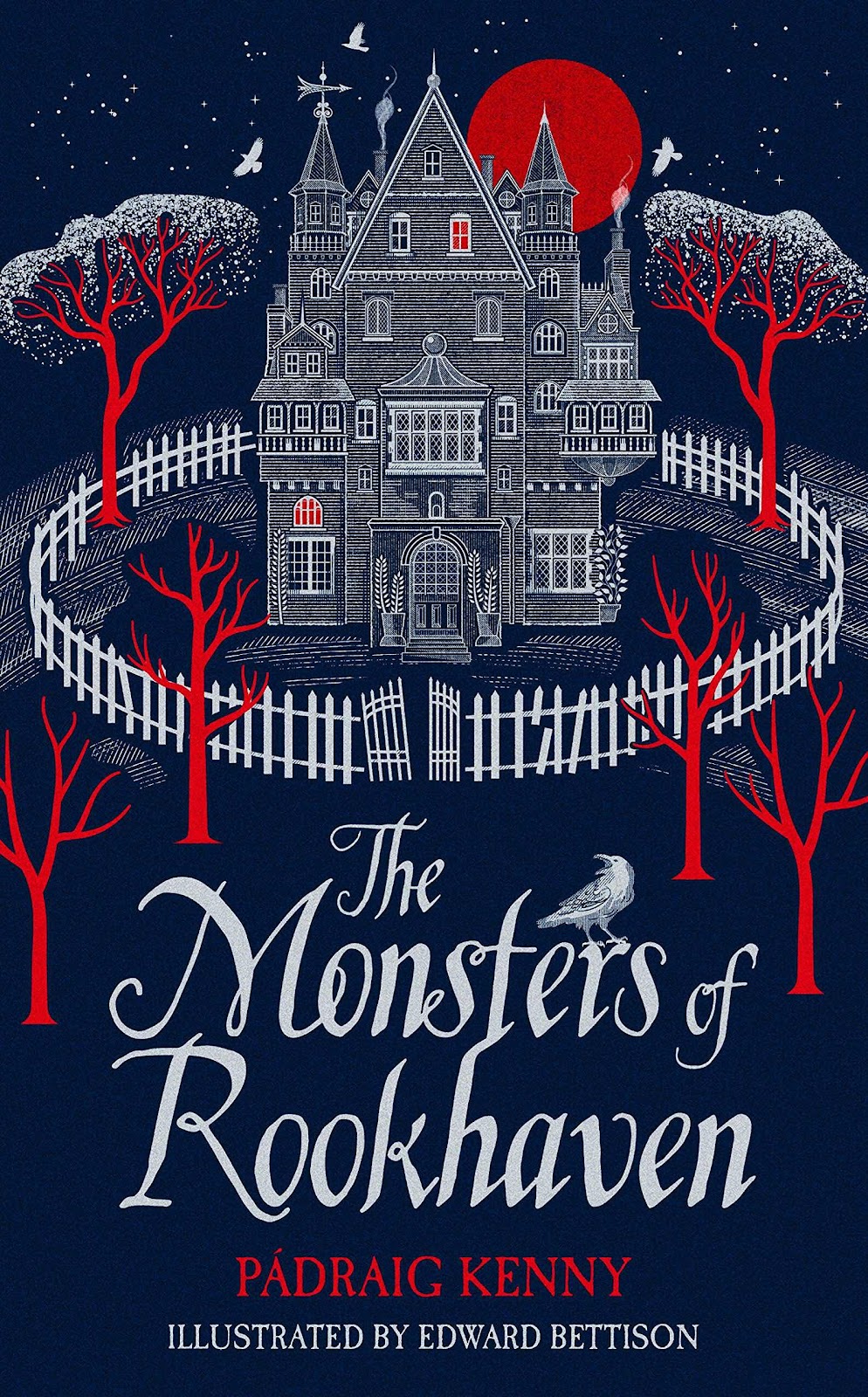
The Monsters of Rookhaven by Padraig Kenny


‘You can thank Piglet,’ said Tom. ‘He showed me things, made me understand how people are afraid of each other without having any reason to be.’ (page 268)


I missed writing up this book when it came out in hardback last year. It has now made a timely appearance in paperback, and I must rectify my serious omission, for it is indeed a marvellous thing.

Monster door

The Monsters of Rookhaven is essentially a ‘portal’ fantasy where children from the real world find a way into a completely different (fantasy) reality through some sort of doorway or tear in the separating fabric. This is the imaginative conceit of C.S.Lewis in The Lion. the Witch and the Wardrobe, and has been used by countless fantasy authors since. Having said that, however, Padraig Kenny’s is very far from ‘just another portal fantasy’; He does more than add a new twist to the concept, he takes it into another sphere and to another level altogether. His creative originality is quite remarkable.

Monstrously different

The human world of this fiction has an immediately post-war setting, where the protagonist children, and other human families in the story, are suffering very real bereavement over loved ones lost in the recent conflict. This gives a genuine feeling of poignancy and tenderness to the ‘actual’ world scenario. In contrast the ‘fantasy’ world, accessed through a tear in the magical barrier, is inhabited by monsters that could comfortably fit into any horror film or comic. These include a man whose true form is that of a a huge bear, another who transforms into a bat, a woman whose body is composed entirely of spiders, a garden of meat-eating flowers, with vicious teeth to match, and an enigmatic creature, strangely called Piglet, so dangerous that it has to be locked away in a dark cellar, to protect even the monsters themselves. Together these beings constitute the Rookhaven ‘family’ whose ancient agreement of strict segregation from the nearby village is jeopardised by the rift in their magical barrier. 

Truly monstrous 

To construct a narrative embracing both these world whilst establishing the total credibility of each - and both together - is quite a trick. But that is exactly what Padraig Kenny pulls off. And he does it magnificently. However, it is virtually impossible to say much more about his complex story without spoiling for the reader its many shocks and revelations. It is clear, though, that the author’s underlying purpose is to provoke his readers into questioning  exactly who are and who aren’t the monsters. This he does potently and powerfully. It is a very sad reflection of our own history and current society that what he ultimately reveals as truly monstrous is all too recognisable in our own reality.

Monstrously good

Although there are moments of horror, and indeed terror, in the story, it is often more disturbing than frightening. Monsters notwithstanding, Padraig Kenny’s narrative is also rich, thoughtful, sometimes funny, and ultimately compassionate. And he tells his story brilliantly. He never burdens the reader with heavy exposition. Rather, he is one of those skilled writers who builds his scenario gradually, and grows his characters through reactions to events and  developing relationships. By frequently changing his viewpoint between protagonists, he brings different perspectives to a really quite complex and always engrossing storyline. His focus characters are two girls, Jen from the ‘real’ world and Mirabell from the monster ‘family’, but there are also strong and significant boys involved and, with its intimate mixture of sensitivity and horror, thoughtfulness and dramatic, not to say gruesome, action, I would expect this book to have very strong appeal for a wide range of children.

Monster talent

Edward Bettison’s mesmerising illustrations are both beautiful and grotesque, sometimes both at the same time; they are a perfect complement to the text. The arresting design and layout of the whole book adds even further to the overall impact. 

Monster winner 

I did not read The Monsters of Rookhaven in time to include it in my 2020 Books of the Year. But if I had, it would most certainly have been in that list. Hopefully its publication in paperback, together with all the promotion it has recently received, will bring a massive new readership to this marvellously monstrous book. 

When the Sky Falls by Phil Earle


Novel take

There have been many excellent books about UK children in WWII, some already deserved classics. Even so, in a remarkable new novel, Phil Earl has managed  to find an interestingly different take on this subject matter. Inspired by a true story, his book carries important messages for today as well as pertinent reminders of our recent past, of which children still need to be aware. 

Gorilla war

In a sort of reverse evacuation tale, Joseph returns to live in Blitz London and is taken into the reluctant care of a somewhat cantankerous woman, who happens to have responsibility for a closed and largely empty zoo. Many of the horrors and deprivations of wartime are vividly portrayed and, unsurprisingly, the story is harrowing at times, but it is also wise and compassionate. Deepening bonds of love and loyalty between the central characters give the novel emotional depth, balancing its visceral excitement, and the the whole is written with a skill that communicates powerfully. It is certainly a read that will help develop empathy and the fact that the narrative prominently involves a child’s relationship with an endearing, if  challenging, gorilla further increases the likelihood of this moving book joining the list of treasured examples of wartime stories. It would be particularly interesting to compare and contrast it with Sonya Hartnett’s equally excellent The Midnight Zoo from 2012.

The cover by Levente Szabo perfectly captures the power and potency of the story.


Tuesday, 5 October 2021

Uki and the Ghostburrow (‘The Five Realms’ Series, Book 6) by Kieran Larwood


Cover: Fernando López Juárez

High fantasy for MG

Kieran Larwood has possibly done more than any other contemporary writer to bring ‘serious’ high fantasy successfully, and appropriately, to young readers. Now the undisputed king of small-furry-animal questing, he has built on from the work of his illustrious (and still very enjoyable) predecessor, Brian Jacques. However, whilst retaining just as much excitement over an equally large canvas, this writer has developed a high fantasy world that is more intelligent, more thoughtful and basically, more moral than that of Redwall.

Gentle but still exciting

This Five Realms series very effectively encapsulates many of the tropes of more grown-up fantasy, but Kieran Larwood’s  convincing world of animal characters successfully takes away much of  the more realistic violence and immorality of  the classic genre; it very clearly places the reader in the context of ‘made-up’ story. In this sense it could perhaps be called ‘high fantasy light’. There is also a sense in which it could be called ‘high fantasy soft’, although, in view of its intended audience, I mean this as a compliment. Early in this latest novel, protagonist, Uki, uses his new power to hurt (not kill) other rabbits. He immediately feels terrible remorse about this, vowing that he will never again use his special strengths to harm others. This is typical of the way this writer uses the genre to propitiate positive messages to his young readers. This does not make his stories one jot less gripping, though. Each with a framing narrative, surrounding a principle ‘legend’ told by a bard, Kieran Larwood’s books both celebrate and demonstrate the power of storytelling. His own writing is masterful without being in any way ostentatious or inaccessible to his young audience. 

Second trio, part three

This new volume constitutes the concluding part of a second trilogy in the series, the ‘Tale of Uki’, related to, but distinct from, the earlier ‘Podkin One Ear’ books. 

In another departure from much classic fantasy, this author is thankfully aware on the need to avoid gender stereotypes; a captain of guard, a poet-bard, an evil warlord or a reluctant hero is just as likely to be a ‘she’ as a ‘he’. However, is it perhaps time for the next eponymous protagonist to be female?

Stunning illustrations 

David Wyatt is one of our finest contemporary illustrators and his stunning, super-detailed, double-spread pencil drawings are one of the great joys of this series, in this latest volume no less than any of the others. 

Different but the same 

Of course, despite excitingly different storylines, there are many ways in which each new Five Realms book feels like ‘more of the same’. But there are times when this is a good thing - and this is one of them, I am a great admirer of originality, yet there are undoubtedly periods in a child’s reading journey (and mine), when the comfort of a return to the familiar is exactly what is required. And when subsequent books are just as thrillingly engrossing as the ones that came before, what’s not to like? For me, and for many, Kieran Larwood provides the perfect escapist read. Long may he continue to do so. 

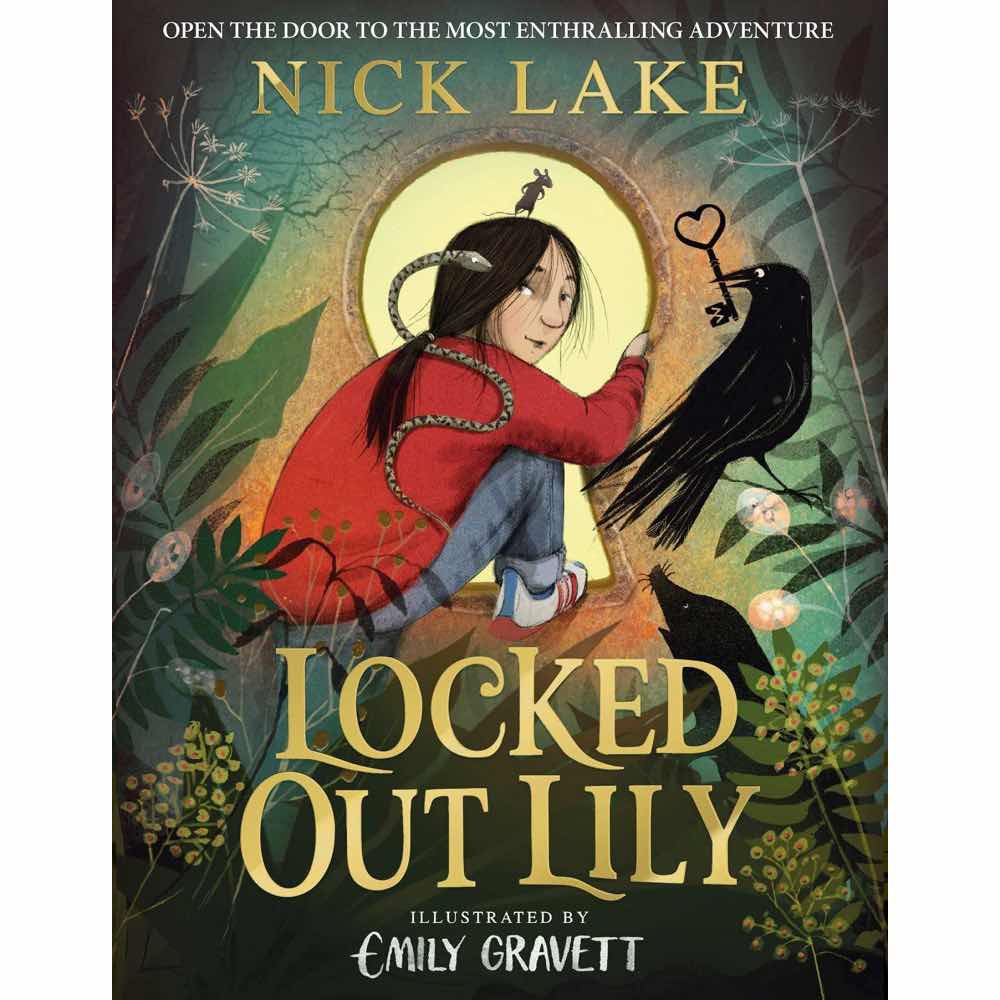
Locked Out Lily by Nick Lake

MFSP is back!

After a break, I now feel ready to return to recording some of  my most exciting recent finds amongst children’s fiction. I will shortly catch up on the very best of those I have missed in my Books of the Year 2021. Meanwhile here is a very attractive, new arrival on my overflowing shelves.


Alone but not home

Locked Out Lily combines elements of Coraline with a sort of reverse Home Alone - and with talking animals thrown in to boot. Protagonist Lily’s perception is of being shut out from her familiar family life by her own recently diagnosed serious illness, exacerbated by her mother expecting a new baby, which is already preventing  Lily getting the attention she needs, and seems about to get worse. When her parents go off to hospital for the birth, Lily’s insecurity is acted out, both metaphorically and literally, through being locked out of her own home, now taken over by a chilling ‘replacement’ family. Fortunately, in attempting to reclaim the house, Lily is not completely alone but has the help of a crow, a mole, a mouse and a snake. However, their intentions are sometimes more constructive that their actual actions. 

Potent metaphor 

A relatively easy, accessible read, the book is nevertheless skilfully and often beautifully written. The text is littered with evocative imagery and succeeds wonderfully in pulling off the difficult trick of intimately mixing humour, terror and pathos. The character of Lily and her situation are authentically and vividly caught, the dialogue between her and the different creatures is often a delight, the presence of the ‘replacements’ in the house can be truly chilling, and aspects of Lily’s journey through the night towards a brighter morning are deeply touching. More than anything, the book is a simple but potent example of a narrative metaphor that will communicate emotionally to children  even it they don’t fully appreciate it intellectually.

Words and pictures

It is impossible to consider Nick Lake’s story outside the context of Emily Gavett’s copious and powerful illustrations, which are undoubtedly an integral and key element of the whole book. Combined in outstanding design, the complementary text and images not only make for a truly lovely volume to have and to hold, but also for a most affecting one. 

Although I did find aspects of it somewhat derivative, this is a fine novel in its own right. It needs to be introduced into many homes and schools and be borrowed extensively from libraries. It is a real boon to have such an attractive, accessible book which nevertheless contains considerable emotional richness, intellectual depth and fundamental humanity.


Monday, 4 October 2021

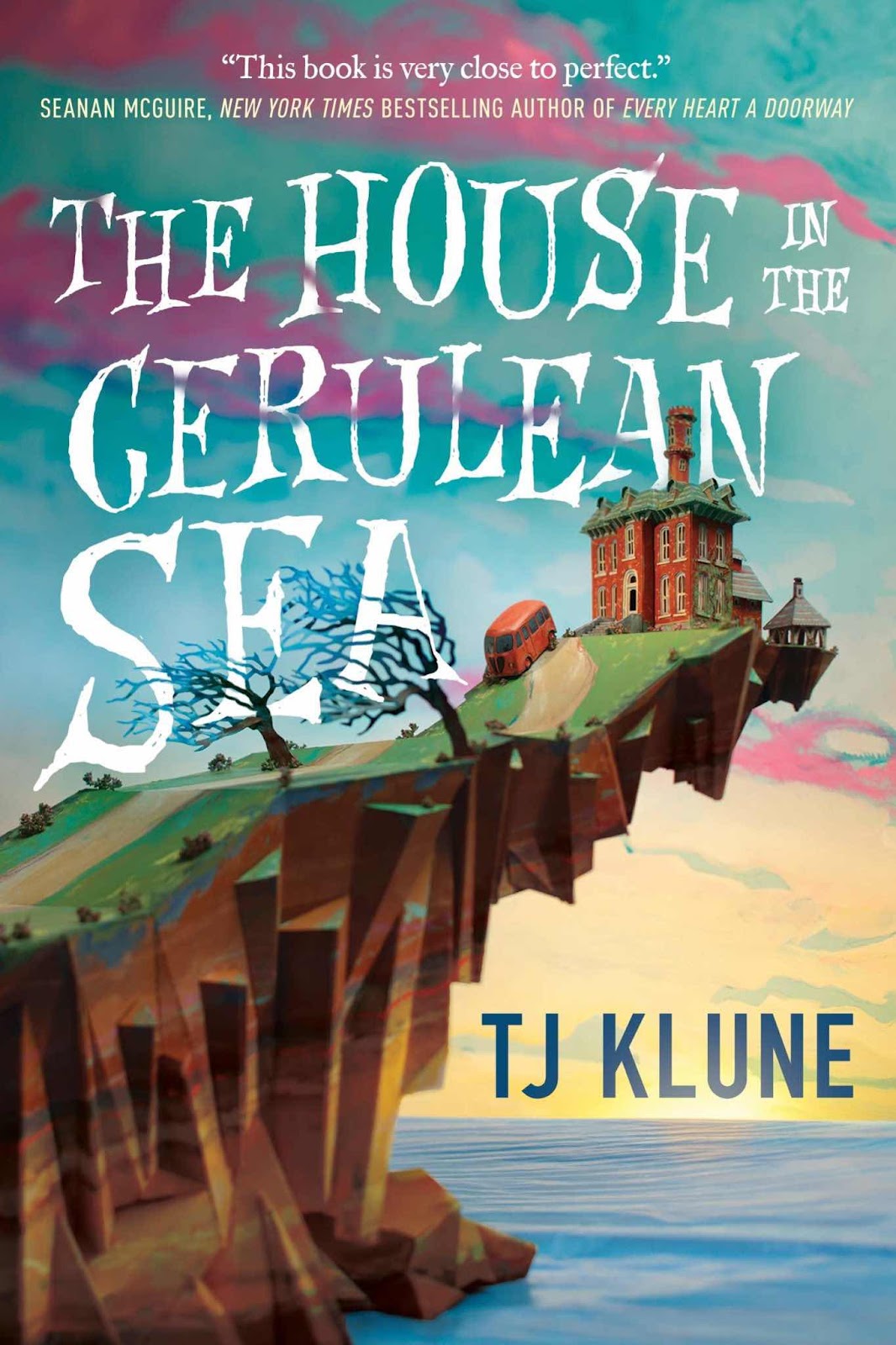
The House in the Cerulean Sea by T J Klune


This is not a recommendation for children, but rather for teachers and any others concerned with the care and nurturing of children. It is an easy, feel-good read, unsophisticated, amusing, wildly romantic, optimistic, sometimes rather silly, somewhat sentimental. But its core message about the intrinsic worth and potential of every single child, regardless of any other consideration whatsoever, is of fundamental importance to our world and to any concept of true education. This makes it so important a book, as well as a hugely enjoyable one.

Those who aspire to be great teachers should take it to heart. Those who already have, already are. 

Tuesday, 1 December 2020

My Books of the Year 2020


My best of the best 

This year I have not always completely agreed about the quality of some of the children’s books lauded on social media. I have to admit that some new titles by writers I much admire have rather disappointed. I have nevertheless had many wonderful reads, some of which seem to pass by with less media attention than others. I have tried throughout the year to highlight these whenever I could.  

Here are the books that have thrilled me the most; the ones that, had I still been teaching, I would have been recommending the most enthusiastically to young readers. There will of course have been many others I have missed. I can only hope that I will catch up with some of them in the future.

Continued brilliance


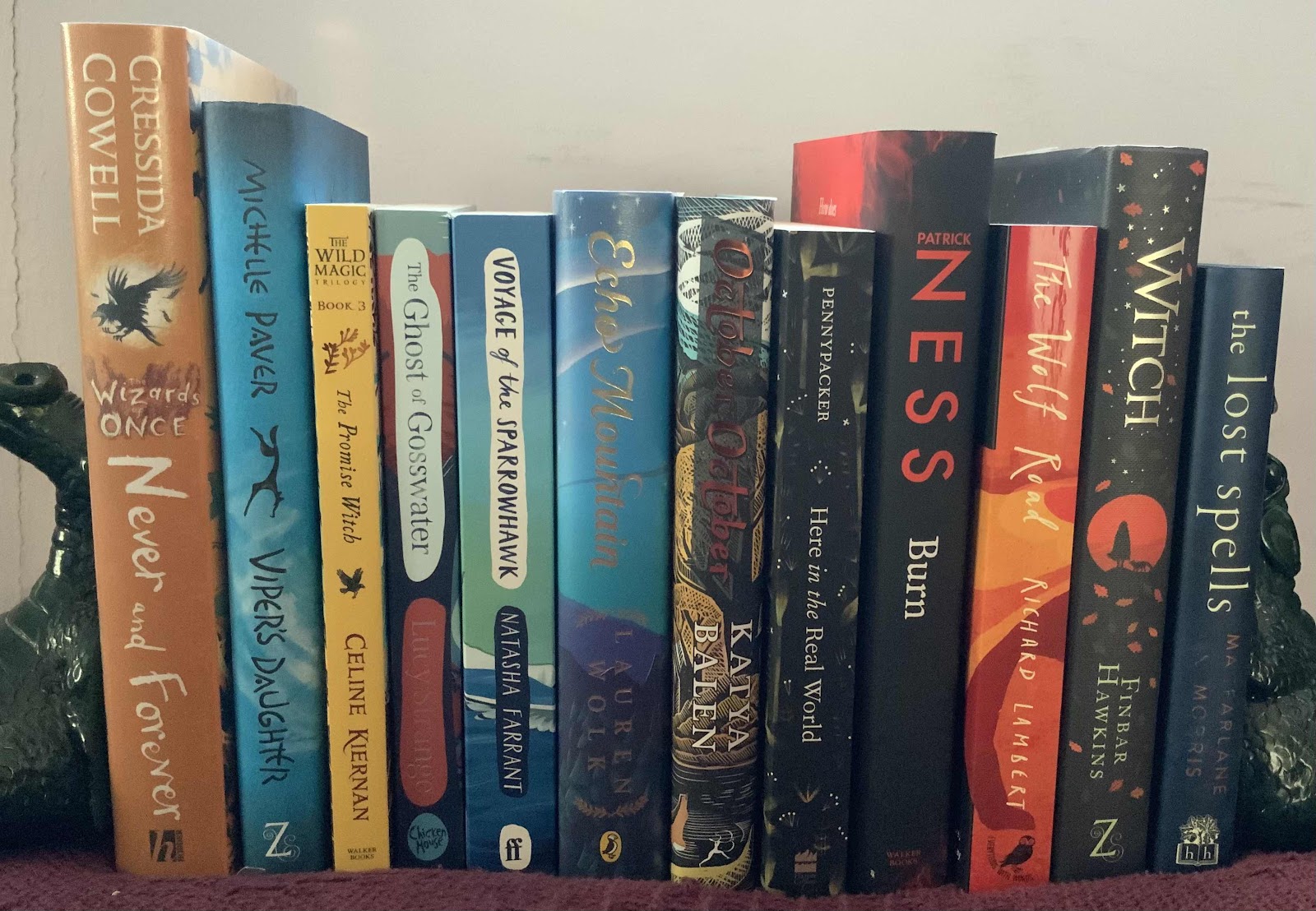
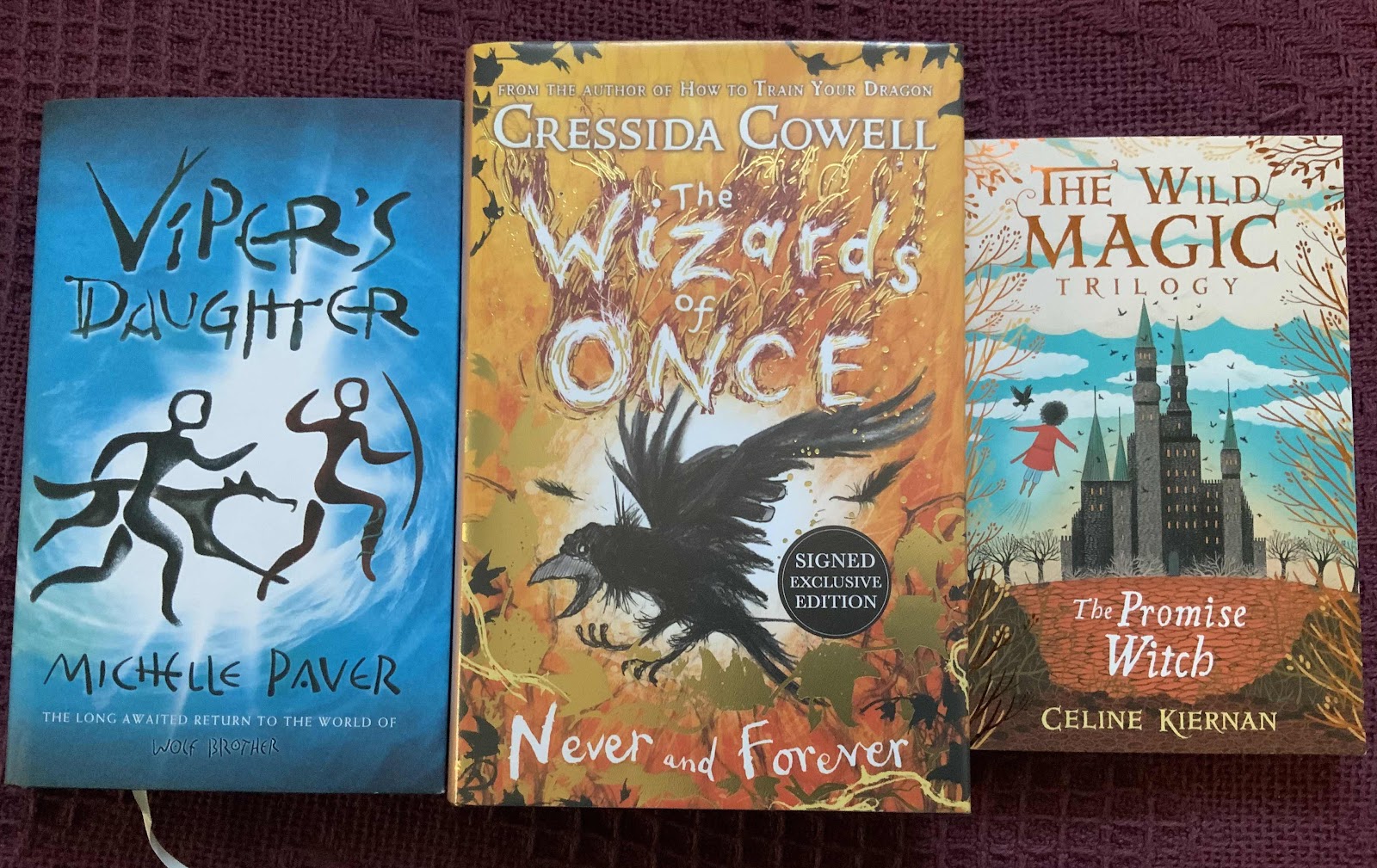
For starters, there were three eagerly anticipated additions to outstanding sequences that most certainly did not disappoint. Celine Kiernan’s trilogy The Wild Magic is one of the most original and engaging children’s fantasy creations of recent years and The Promise Witch has now brought it to a thrilling conclusion, adding layers of rich, fresh imagination to the resonance of traditional Irish storytelling. 

Michelle Paver’s Wolf Brother sequence is already a classic of contemporary children’s fiction and deservedly so. Combining fantasy elements with a prehistoric setting, it brings not only compulsive adventure but also an intense sensitivity to both the reality and the spirituality of the natural world. For a long while, we all thought the series had ended, and the author had moved on, but she has now returned to it with Viper’s Daughter. With this new addition she has taken up seamlessly and gloriously from where she left off, albeit with now slightly older protagonists.   

Way top of this little group, though, comes the new instalment of The Wizards of Once from Cressida Cowell. This series had been a joyful triumph from the start, and now this fourth part, Never and Forever, is its crowning glory. In my original review I called it ‘the apotheosis of children’s fantasy fiction’ and I stand by that view. A riot of fun and fantasy, visual as well as verbal, it ensures delightful entertainment. But there are depths here too for readers to explore and grow through. Cressida Cowell’s writing has a thoughtfulness behind its infectious energy, and, amongst other things, has much to say about the importance of story itself. 

Classic storytelling


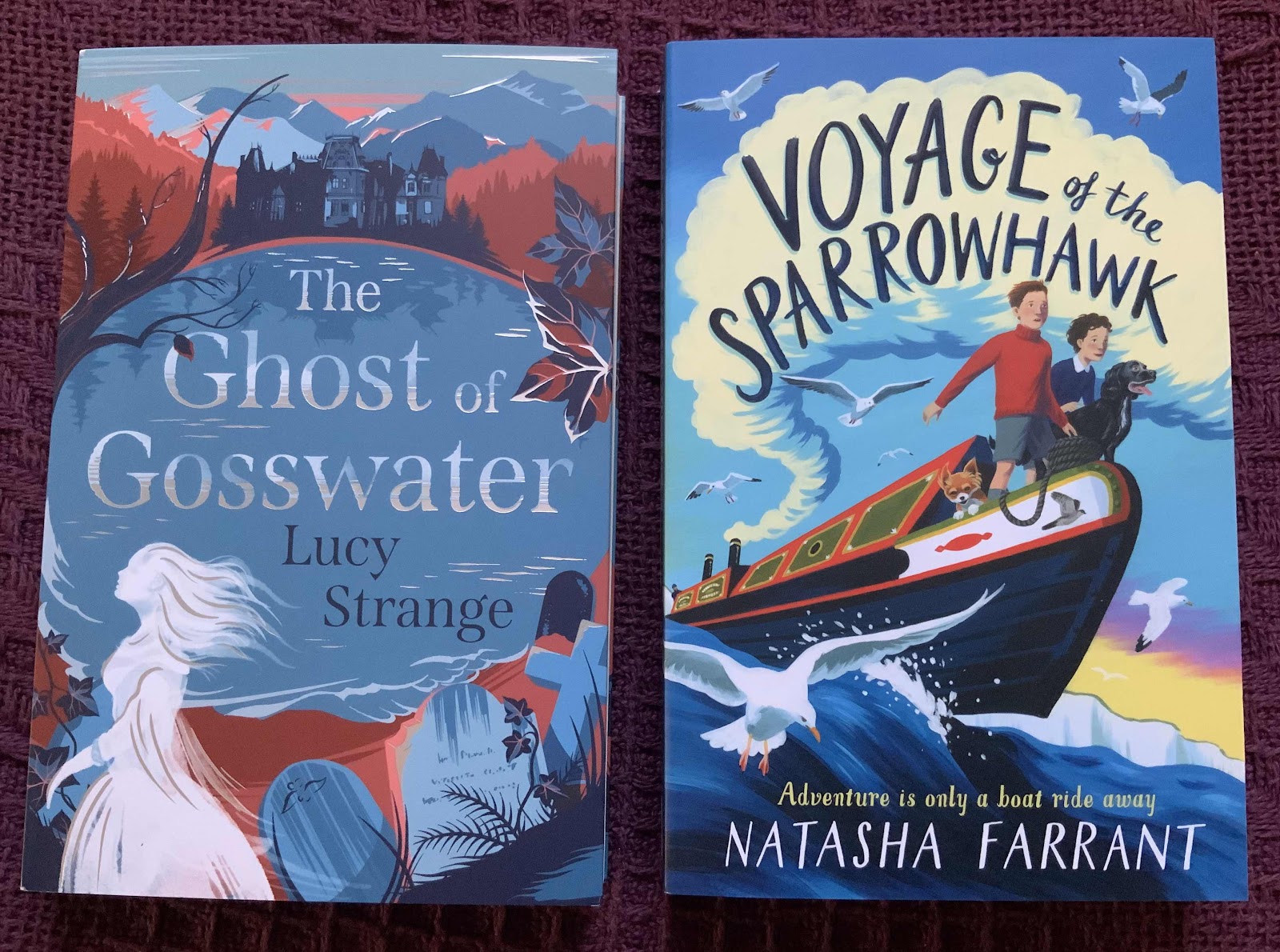
Here are two stand-out books that epitomise good, old-fashioned storytelling, in the very best sense. They each construct narrative that, even if far-fetched and at times melodramatic, is nevertheless compulsively gripping. However, they also underlay its many conflicts and dramas with a wholesome warm-heartedness that promotes such eternally important qualities as friendship, loyalty and courage. They are the sort of stories where you can be sure that goodness will prevail and wrongs will, in the end, he righted, however bleak events along the way. In this they belong to a fine tradition of children’s fiction that traces right back to the likes of Frances Hodgson Burnett and Edith Nesbit. Lucy Strange’s The Ghost of Gosswater is not so much a ghost story as a historical Romance, a sort of young readers’ Jane Eyre, whilst Natasha Farrant’s Voyage of the Sparrowhawk is a most endearing example of a classic children’s adventure, set against a background of WWI. These are not books to change the world, but they are wonderful books to snuggle up with and lose yourself in. 

My top three novels for 9-12s


My top favourite books are here because they are not simply entertaining reads, but examples of the highest quality writing. They are also refreshingly original and have a great deal to say to young readers about the world we live in and the people we share it with. Two of these titles are from US authors, but both have been published this year here in the UK, so I have no hesitation in including them in recommendations for a British audience, As happens, each of these three novels, in its own particular way, speaks very eloquently about our relationship with nature, contrasting this tellingly with the man-made realities with which we all have to deal on a daily basis. 

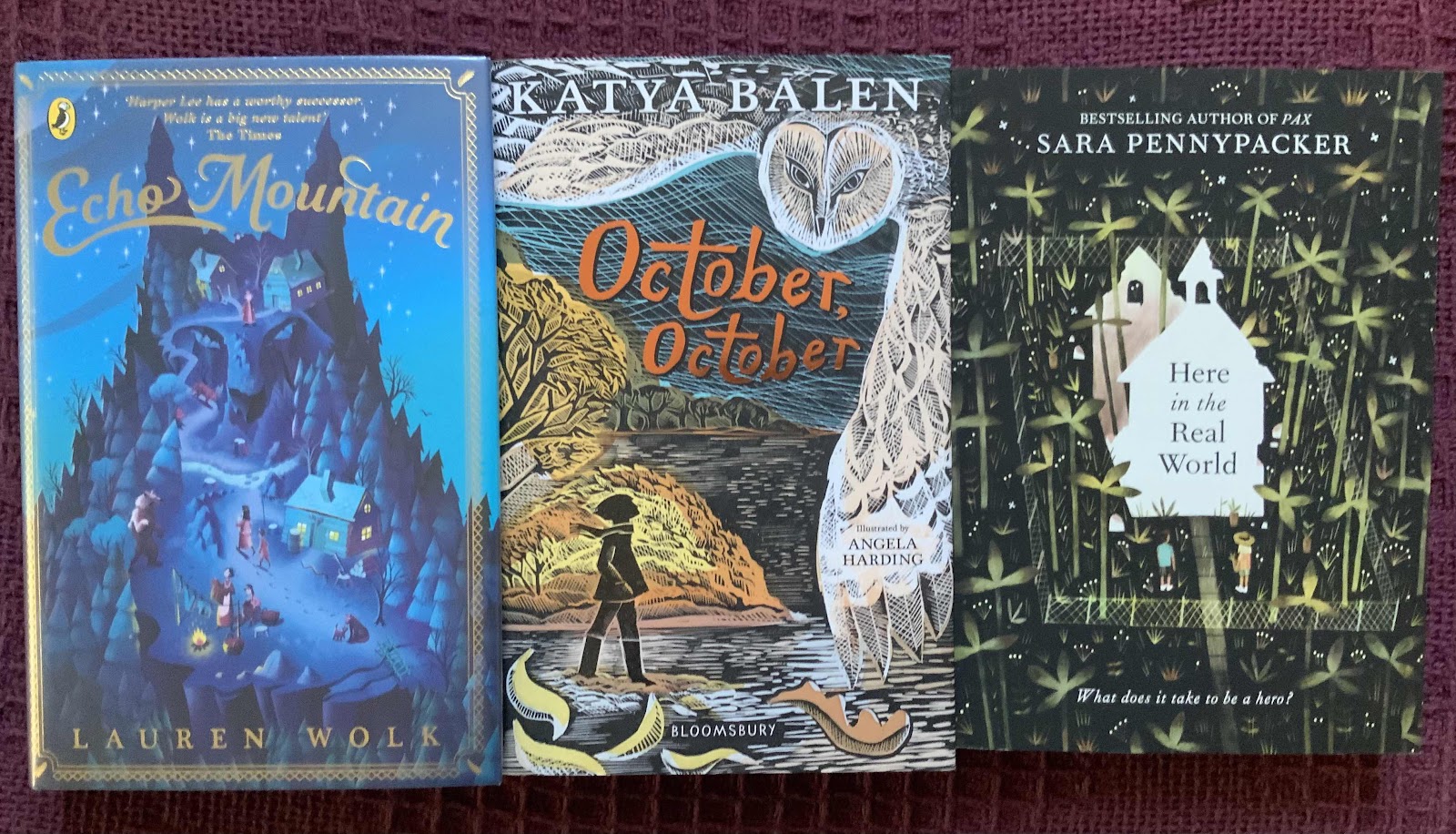
The novel that made the biggest impression on me this year was undoubtedly Katya Balen’s breathtaking October, October.
This book is stunningly beautiful in both its thought and its language. It takes us intimately inside the mind of a fellow-human being in a way that is both enriching and deeply moving. Its intensity and passion bring both the experiences of its young protagonists and those of its readers into fresh sharp focus in way that is truly life-enhancing. It is a very fine book indeed.

Not very far behind at all in my estimation is Lauren Wolk’s Echo Mountain. This explores many of the same themes,  but in the very different context of rural, ‘back woods’ America. Any feeling of unfamiliarity with the setting is, however, rapidly banished by the immersive qualities of the storytelling. Again the writing is superb and the book’s captivating characters and evocative world-building are completely mesmerising; deeply human and richly humanising. This author has already written several brilliant children’s books, and this new one certainly joins them in my not-to-be-missed category.

Sara Pennypacker’s Here in the Real World tackles head on the tensions between a need to live in the world as it is and a desparate wish to improve it. Yet it does this in a simple but intensely lyrical way, by intimately sharing the experiences of two children as they try to build their own personal ‘paradise’ on a patch of waste ground. The narrative is built around some of the most telling, and moving, dialogue that I have come across in many years. This book is funny and honest, original, idiosyncratic, specific and yet universal. Much of its unique potency is almost impossible to describe and it is a classic candidate for a recommendation that says, ‘Just read it.’

All three of these novels are challenging. They are what might be called quiet books and will appeal to sensitive, committed readers, rather than to those seeking easy entertainment. They are, however, also powerful books that will reward hugely children who are open to the many layers of  richness within their gentle, thoughtful storytelling.

The very best of YA


In and amongst the many contemporary YA titles are to be found examples of truly high quality literature; books which can stand comparison with the finest from any genre. Here to prove the case are three such novels. They are stunningly written, original and utterly compelling. 

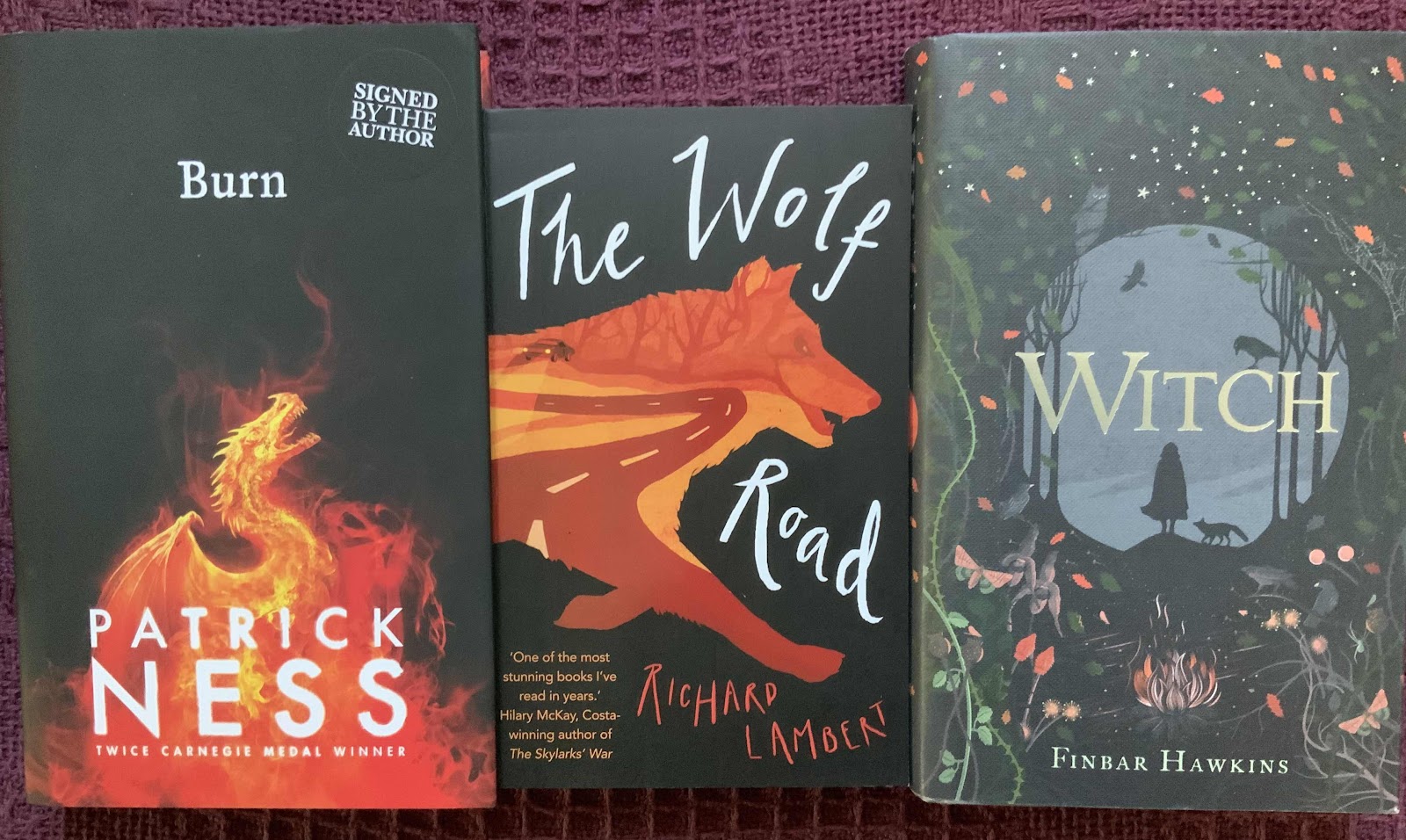
Patrick Ness already has an reputation of considerable standing, and his latest book Burn is amongst his very best. A complex work, it mixes genres in a gripping story that is both fantasy and not fantasy. It it is threaded through with the most sensitive exploration of close relationships, including young love between both opposite and same sex couples. It is a passionate book, and an empowering one. It is deeply disturbing and deeply moving.  It is grotesquely violent and sweetly tender, thoughtful and yet viscerally excitingly. It is, in short, remarkable.

The Wolf Road, an equally impressive book from Richard Lambert, is all the more remarkable for being this author’s debut. Here, the intense loss felt by an adolescent boy after the sudden, traumatic death of both parents is played out against a bleak Lake District landscape, where nature provides potent images of his journey through grief. As befits its subject, this is a harrowing book and its narrative grips like a hand around the throat. Not for the young, or indeed for the faint-hearted, it illuminates humanity by focusing on its contorted shadow. It is a masterclass in both writing and storytelling.

Although set in the seventeenth century, Finbar Hawkins’s Witch does not so much tell a historical story of ‘witches’, but rather uses this context as background for what is essentially an exploration of character. And a very powerful study it is too. It is a violent, sometimes horrific tale. But at its heart is a story about the power and potency of sisterhood, both within and beyond the family. It celebrates a collective female strength that can move beyond the oppression of a male-dominated world: it is a book that boys need to read as well as girls.The author conjures a potent feeling of period, pressingly real without ever seeming artificially archaic. Yet he creates a voice that speaks directly to us and to our world. By distancing things from us, he brings everything nearer. He shows us the past as a mirror, not as an oil painting. When the power of language and the power of story meld as thrillingly together as they do here, they make something very special, and very important.

And that which was lost . . .


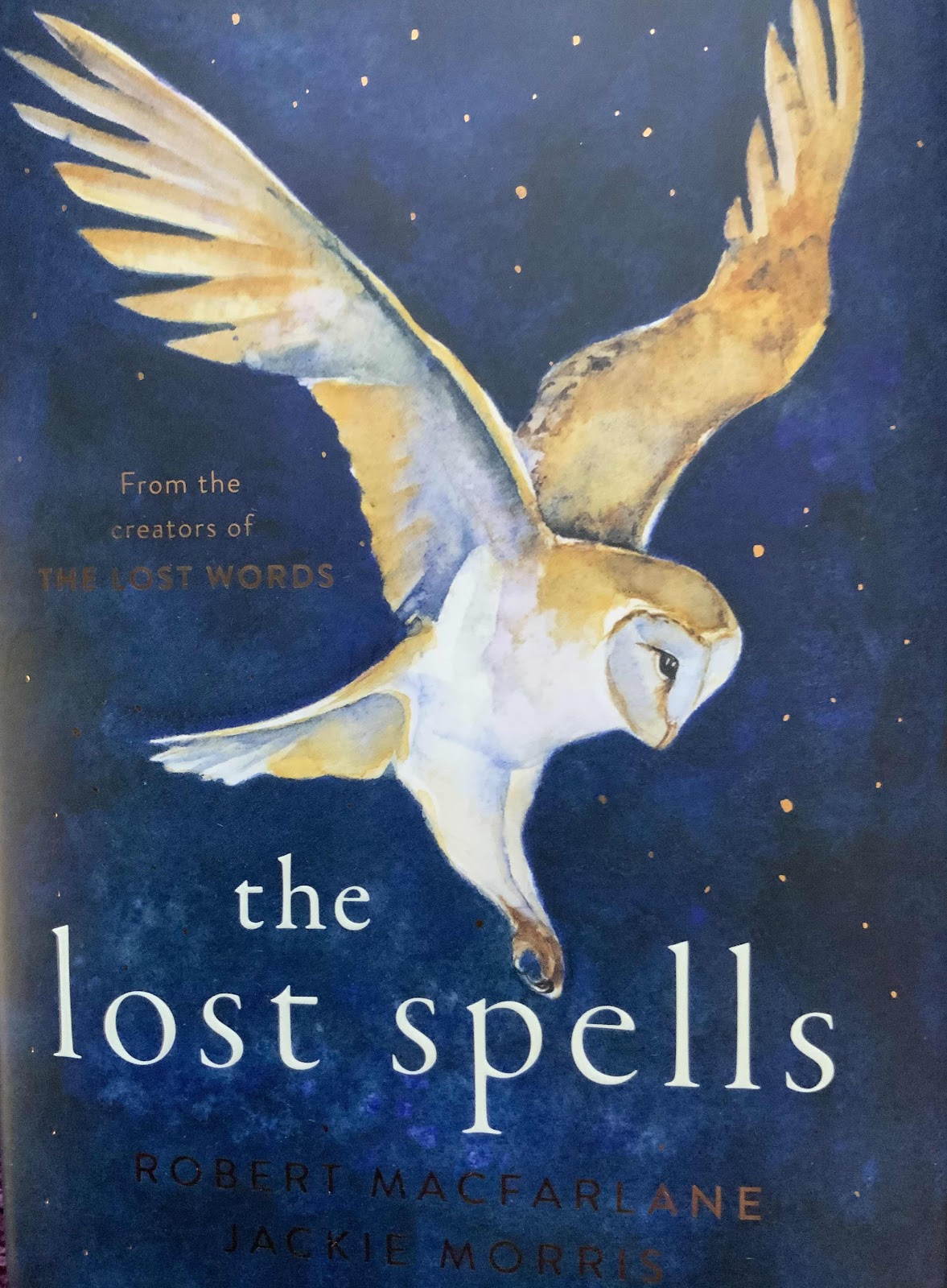
Even though it is not a novel like these others, I cannot end this round up of my 2020 favourite children’s books without mentioning The Lost Spells, Jackie Morris and Robert Macfarlane’s follow up to the phenomenally, and deservedly, successful The Lost Words. The breathtaking effect of that earlier publication was much enhanced by the huge size of the pages themselves. This much smaller format book inevitably does not have quite  the same impact.  However both its spell poems and its art work are just as devastating and their creators’ passionate commitment to the wonders of the natural world around us is just as great. In fact the physically smaller volume has a special quality all of its own. It feels almost like a handbook for sensitising its readers to nature. And that is a wonderful thing.